Challenge
Partner Ops managed portal content through standard Salesforce object list and record views, while some resources were still hard-coded directly in Nintex. Routine content changes therefore required navigating raw records or technical page configuration instead of a purpose-built management experience.
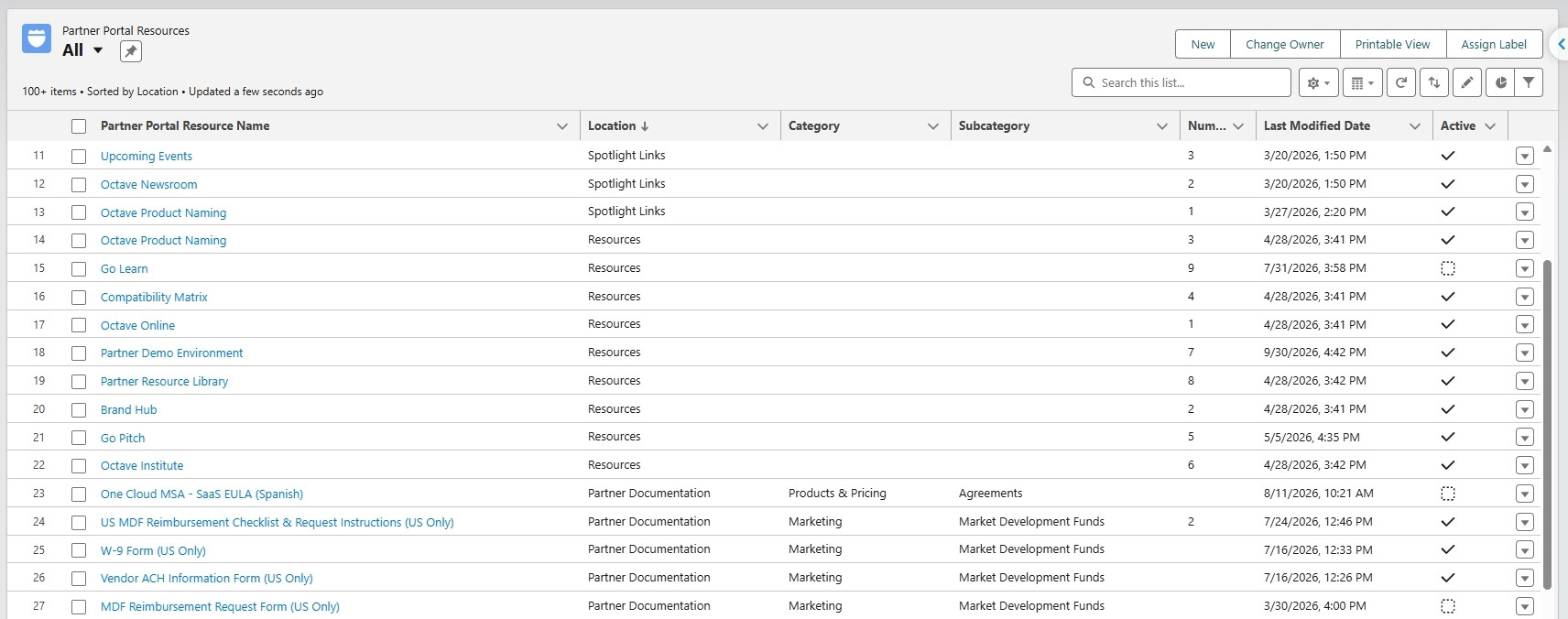
Object List View
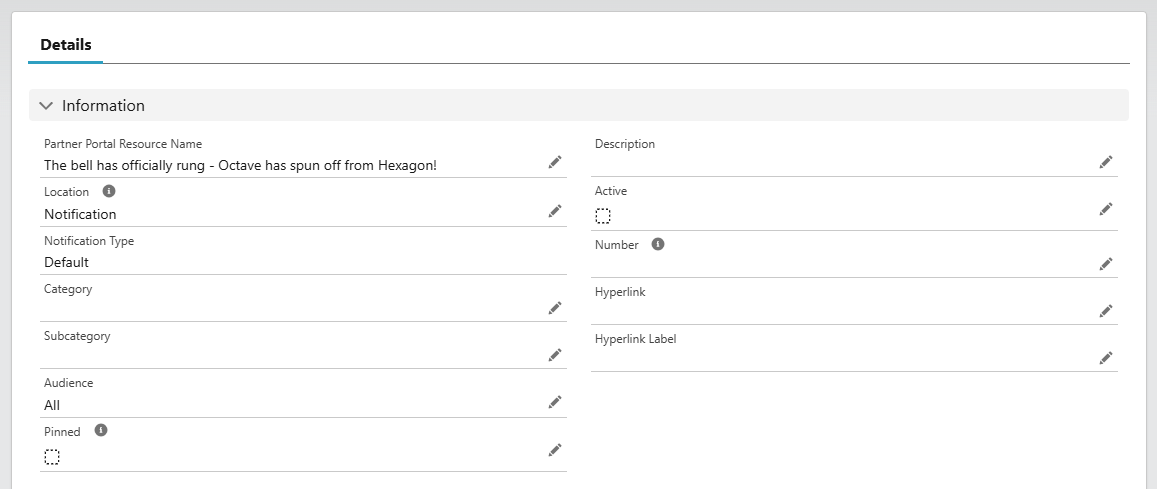
Record View
Before: Partner Ops maintained portal content through generic Salesforce list and record views, while some content remained embedded directly in Nintex pages.
My Role
I built and maintain PartnerOps tooling that moves routine portal management into a dedicated interface while keeping the underlying Salesforce records as the source of content.
• Requirements Gathering
• Content Administration
• Salesforce/Nintex
Controls
News & Updates
News, headlines, spotlight links
News, headlines, spotlight links
Resources & Library
Published links, documentation, audience targeting
Published links, documentation, audience targeting
Portal Controls
Header notifications, shutdown/read-only mode
Header notifications, shutdown/read-only mode
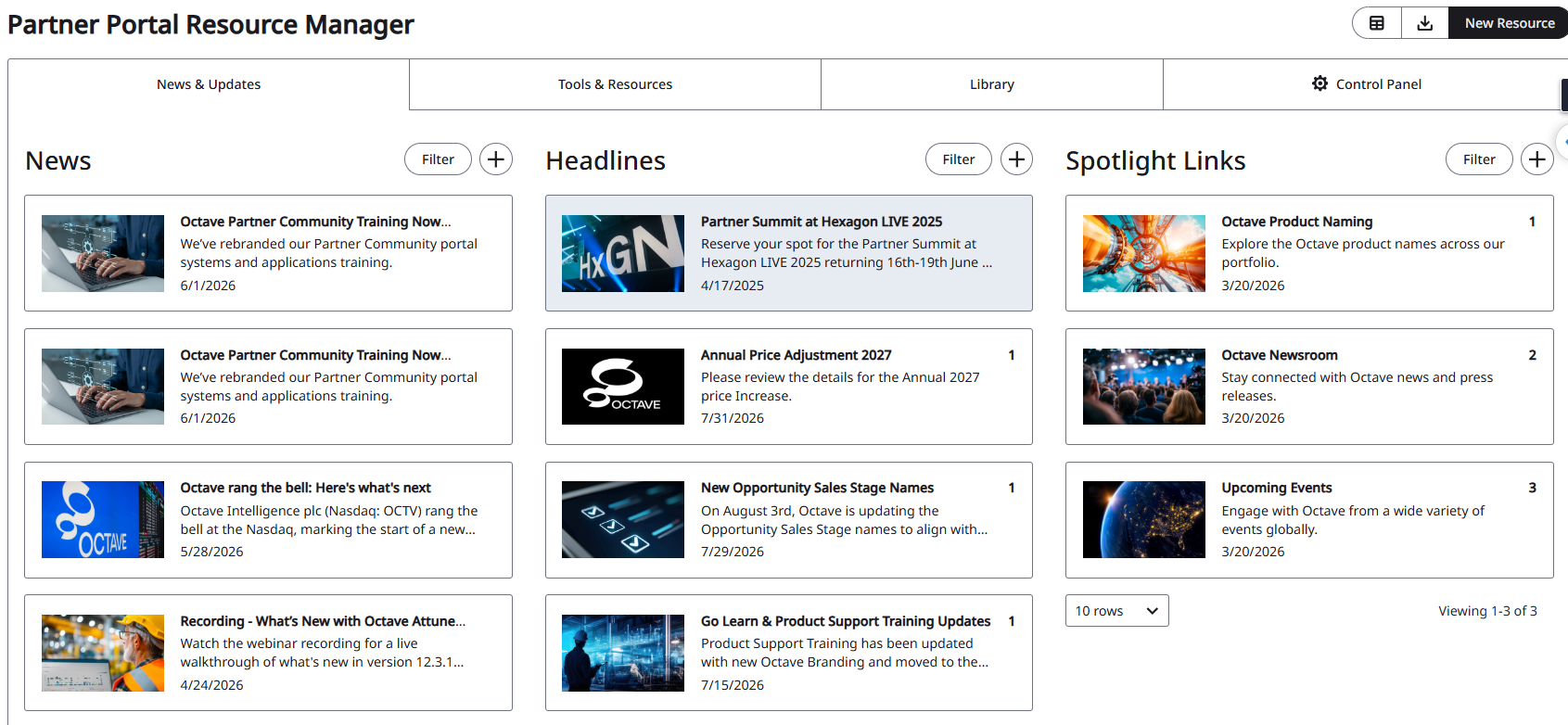
Centralized management: Content is organized by how it appears in the Partner Community rather than as a raw record list.
Governance
Content behavior is driven by structured record fields such as location, ordering, audience, and active status rather than requiring edits to the portal itself.
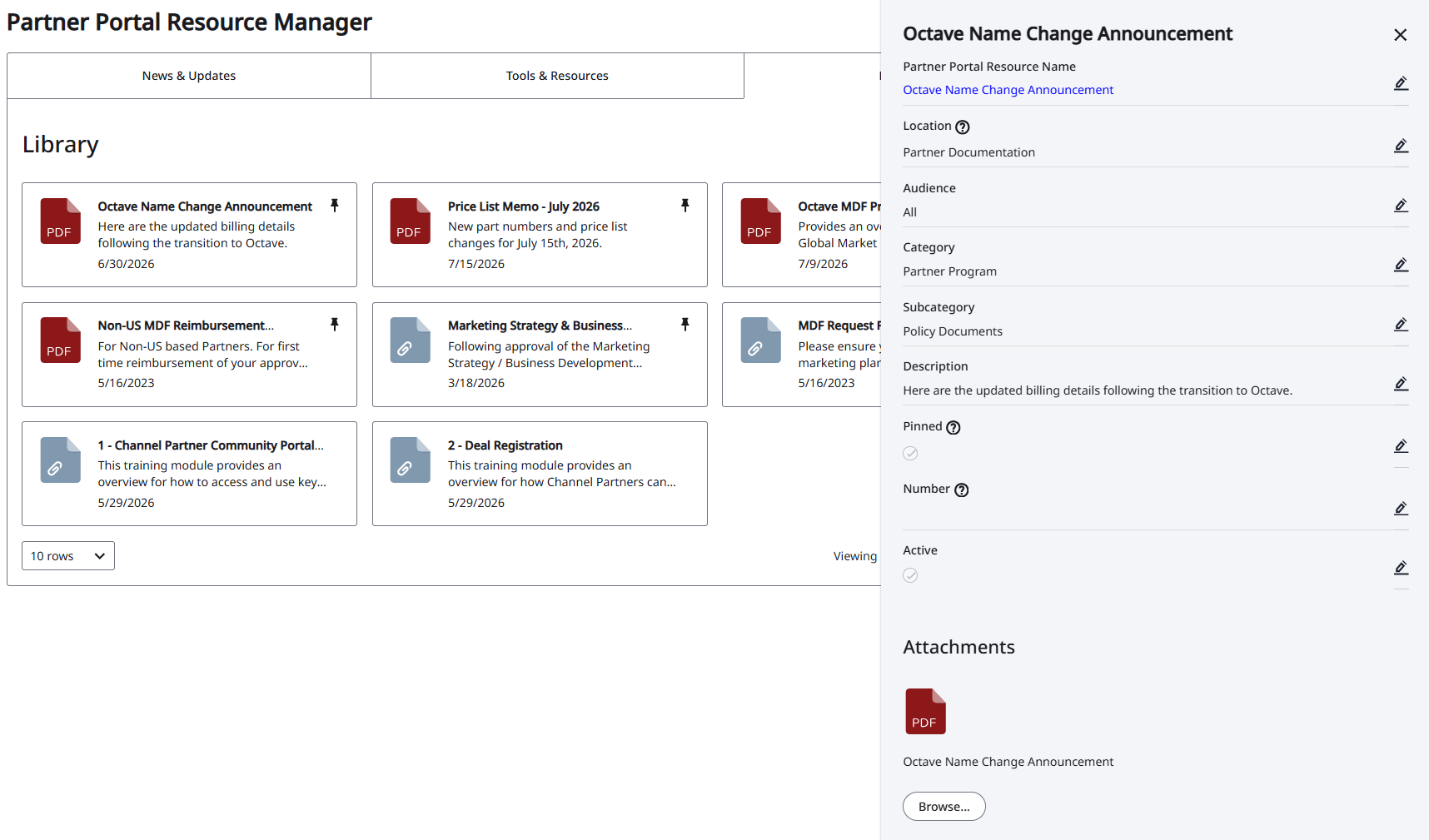
Library Record View
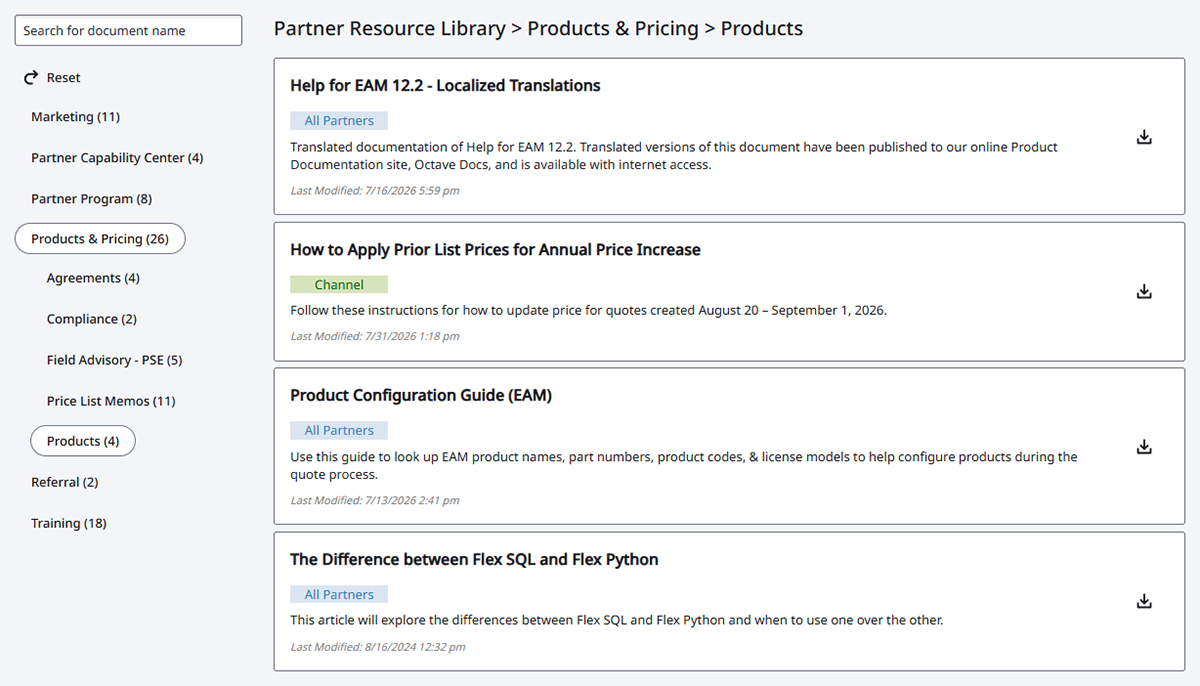
LIBRARY
Structured publishing: Library records combine categorization, audience targeting, status controls, and attachments that drive the partner-facing library.
Approach
I refactored hard-coded content into reusable repository records, grouped management functions by content type, and added conditional editing so Partner Ops sees only the fields relevant to the resource type they maintain.
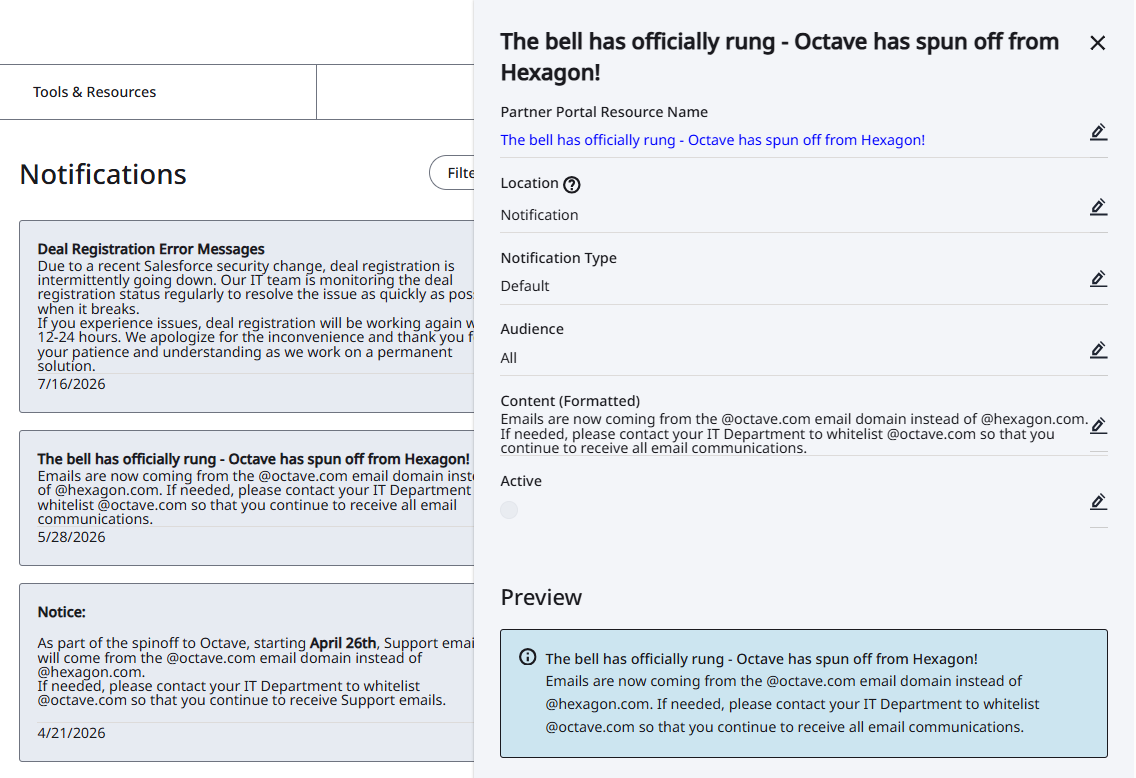
Notification Record View
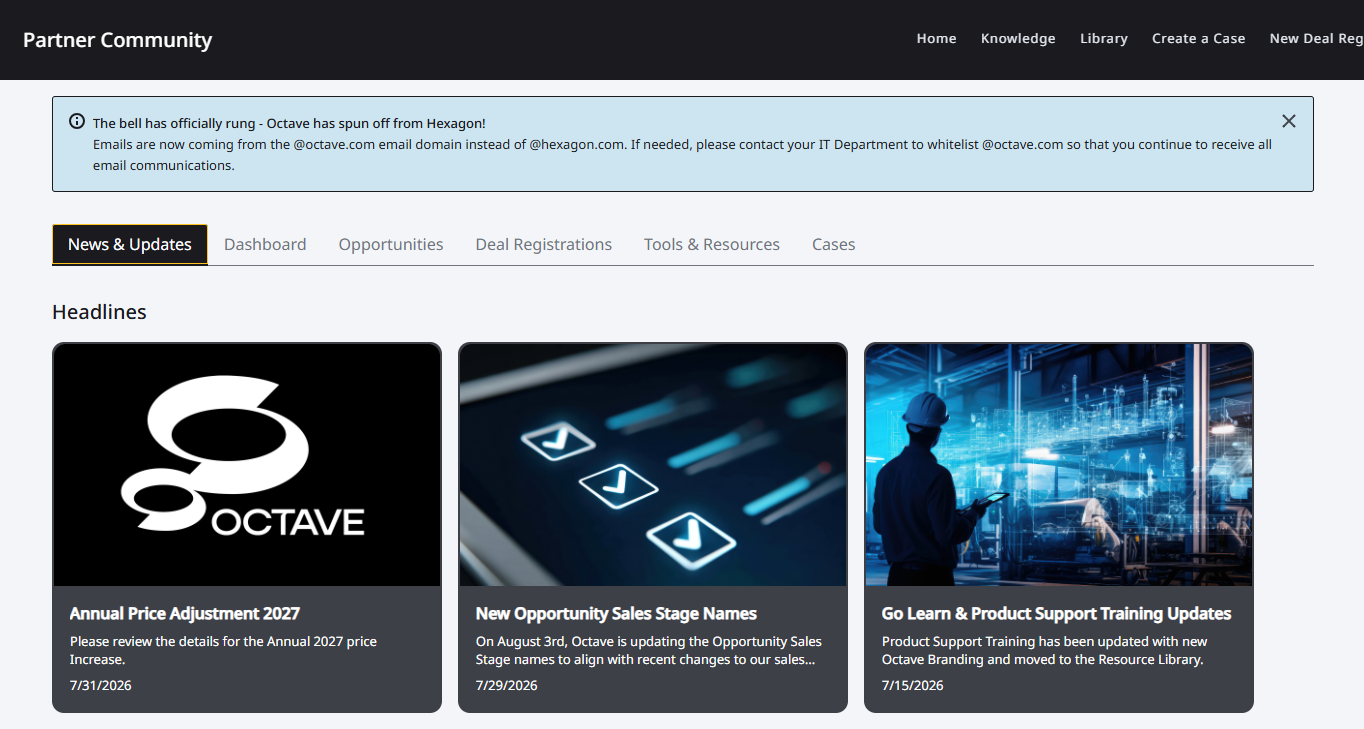
Notification Banner
Configure → Publish: PartnerOps can manage a site-wide notification and preview how it will appear to portal users.
Outcome
The resulting manager gives Partner Ops a more direct way to maintain portal content and site controls while reducing routine dependence on technical administrators.
• Centralized content management
• Structured publishing controls
• Operational ownership
• Reduced hard-coded maintenance