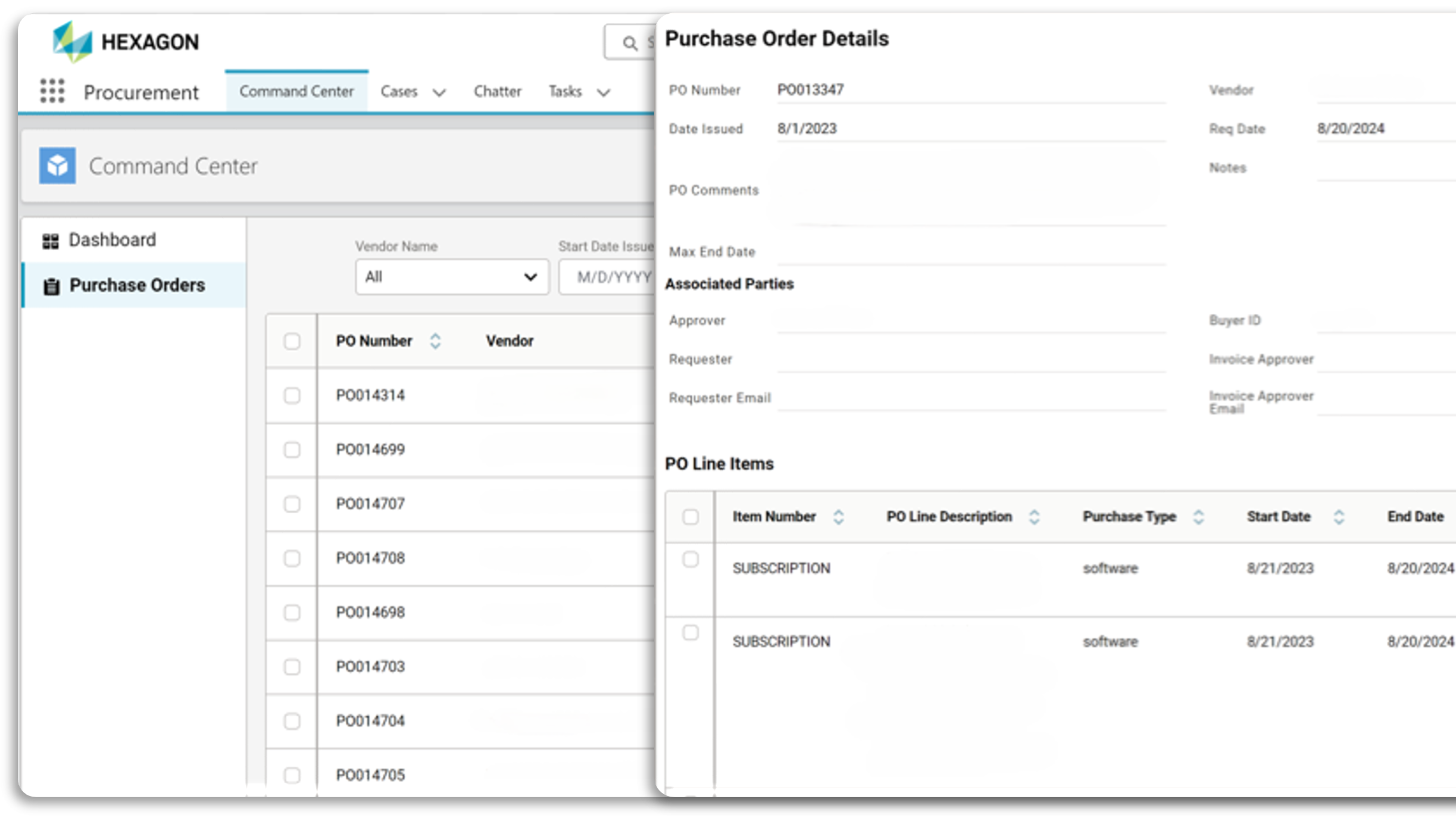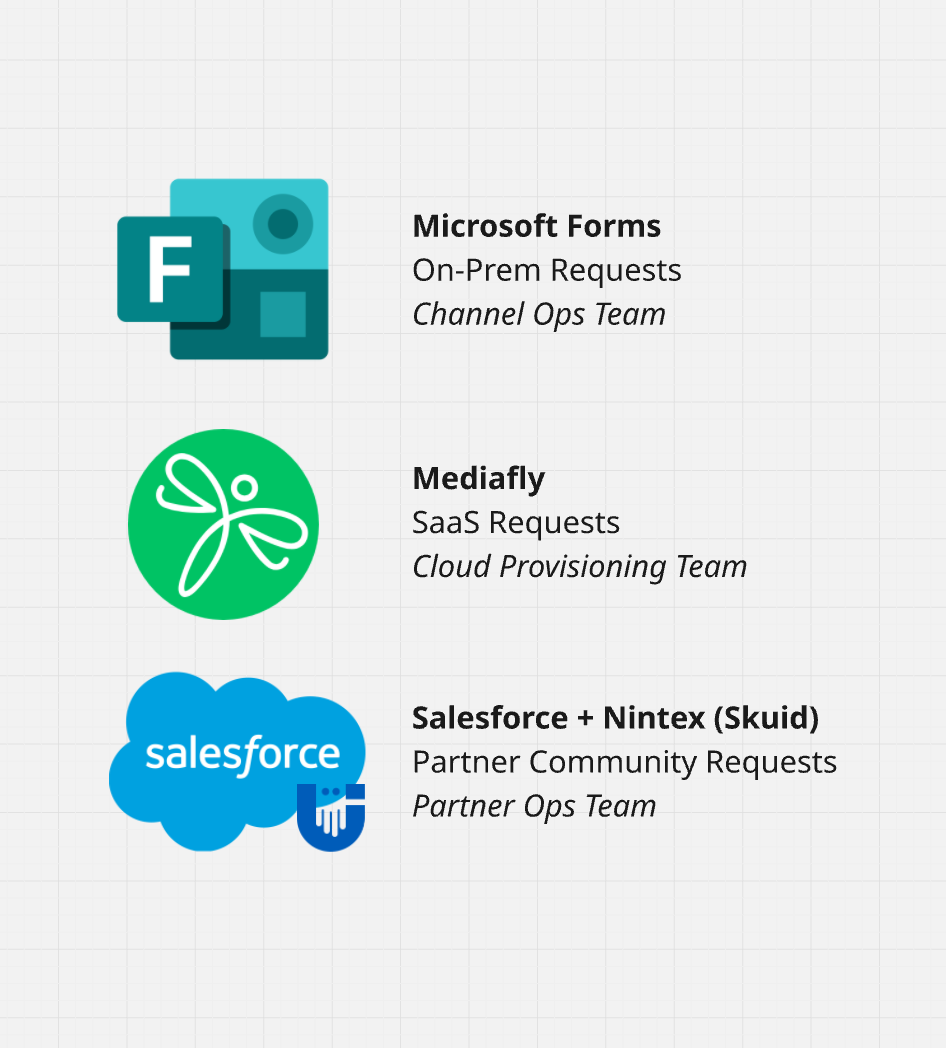
BEFORE
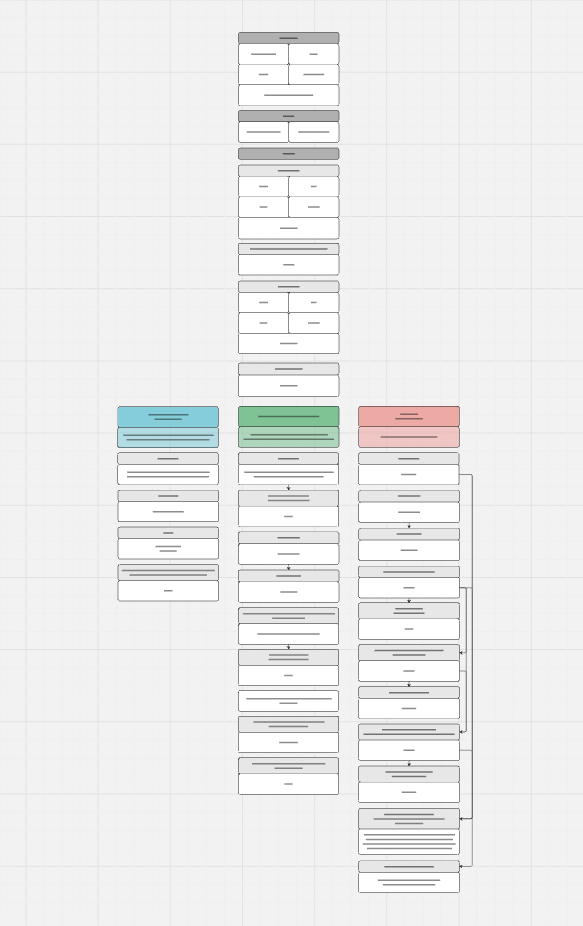
AFTER
Challenge
Partner Demo Environment requests were split across three teams and three separate forms. Although the processes overlapped, each collected different information and supported different SaaS, on-prem, product, and fulfillment requirements. I needed to consolidate them without losing the conditional logic each team relied on.
My Role
I worked across Partner Ops, Channel Operations, and Cloud Provisioning, coordinating product-specific decisions with the appropriate business and product owners.
• Requirements Gathering
• Process Mapping
• Conditional Logic
• Salesforce/Nintex
• Miro
Map → Reconcile → Build
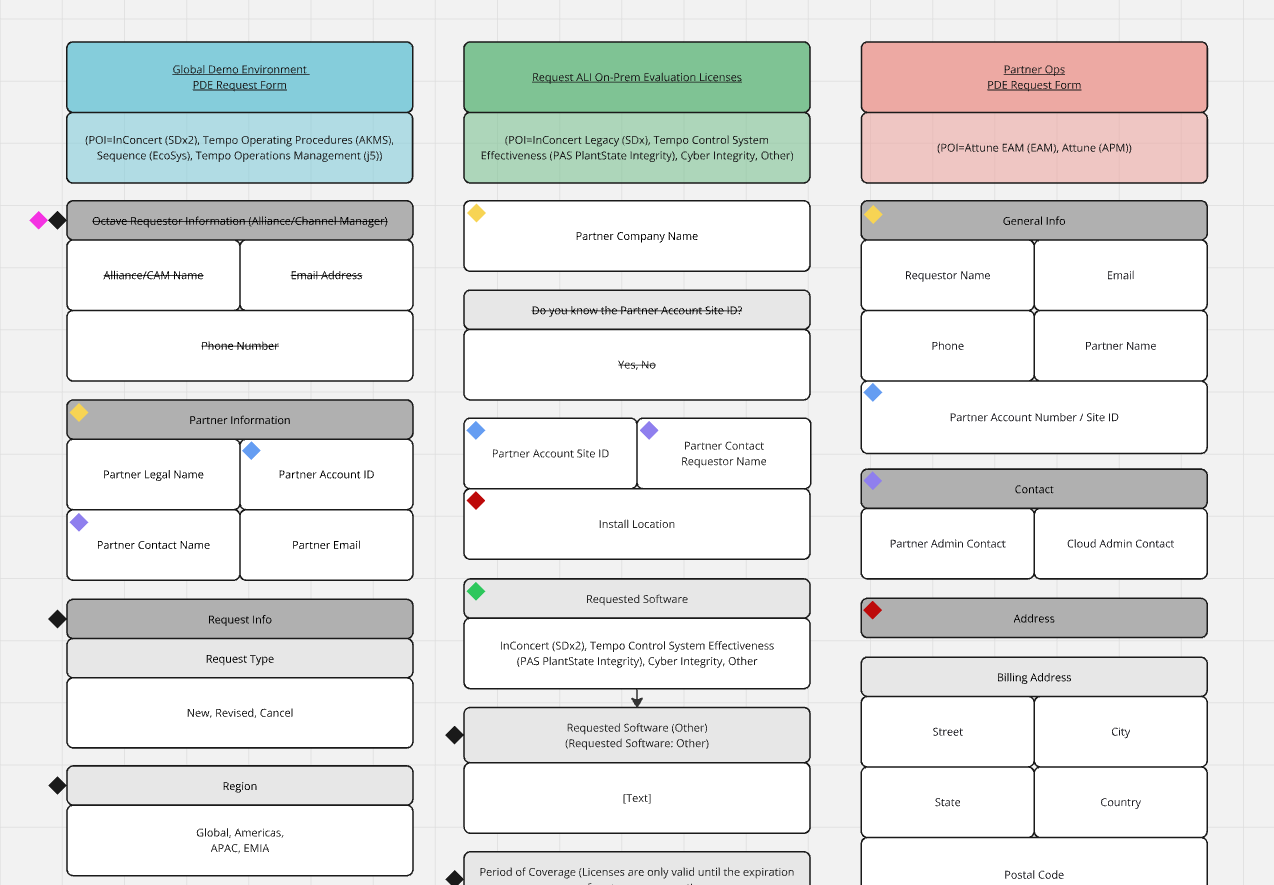
Requirements mapping: I compared all three forms to identify shared, unique, redundant, and removable fields.
System Logic
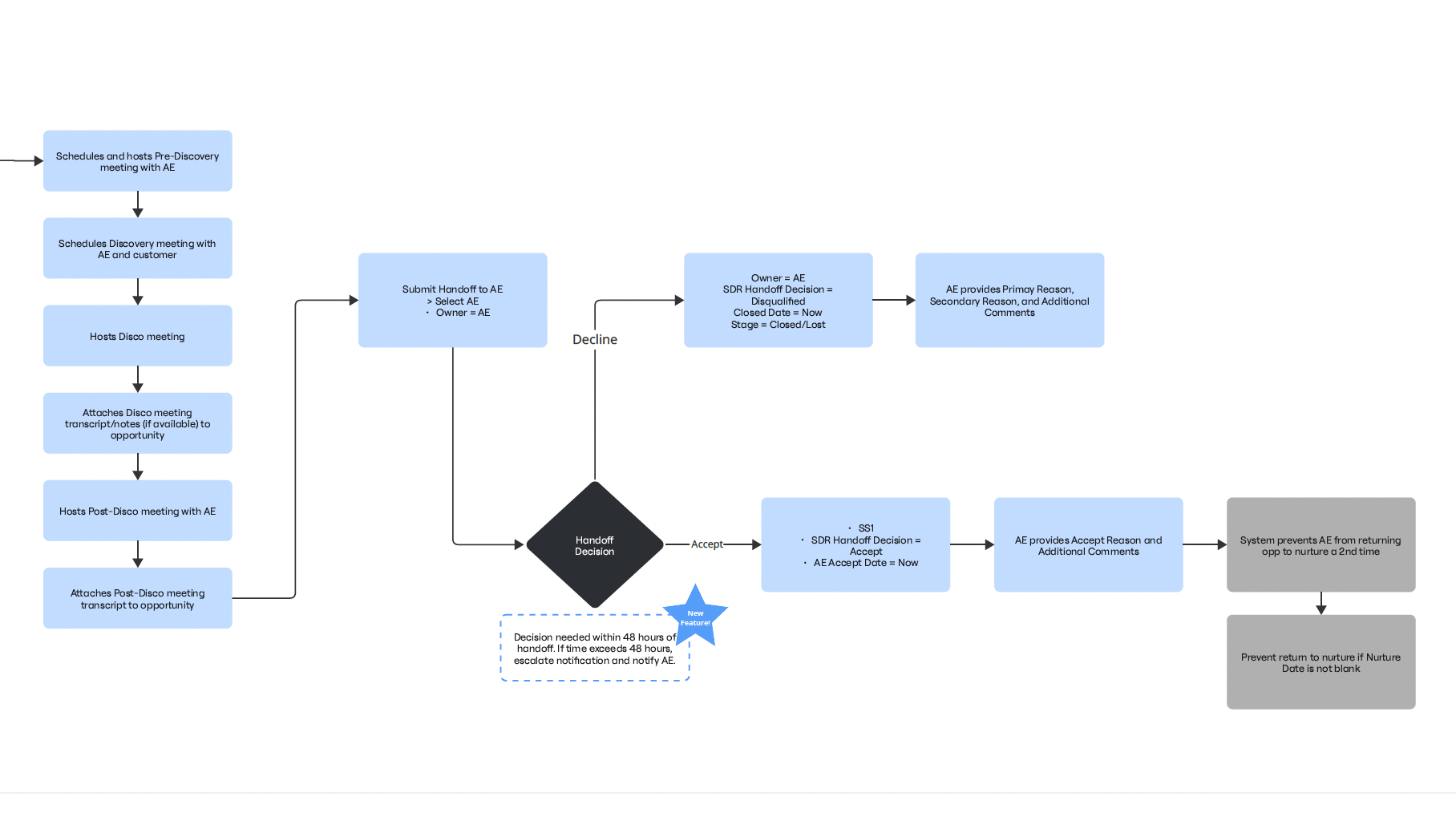
I mapped the existing processes in Miro, identified what was common versus conditional, and translated the reconciled requirements into a single Nintex experience.
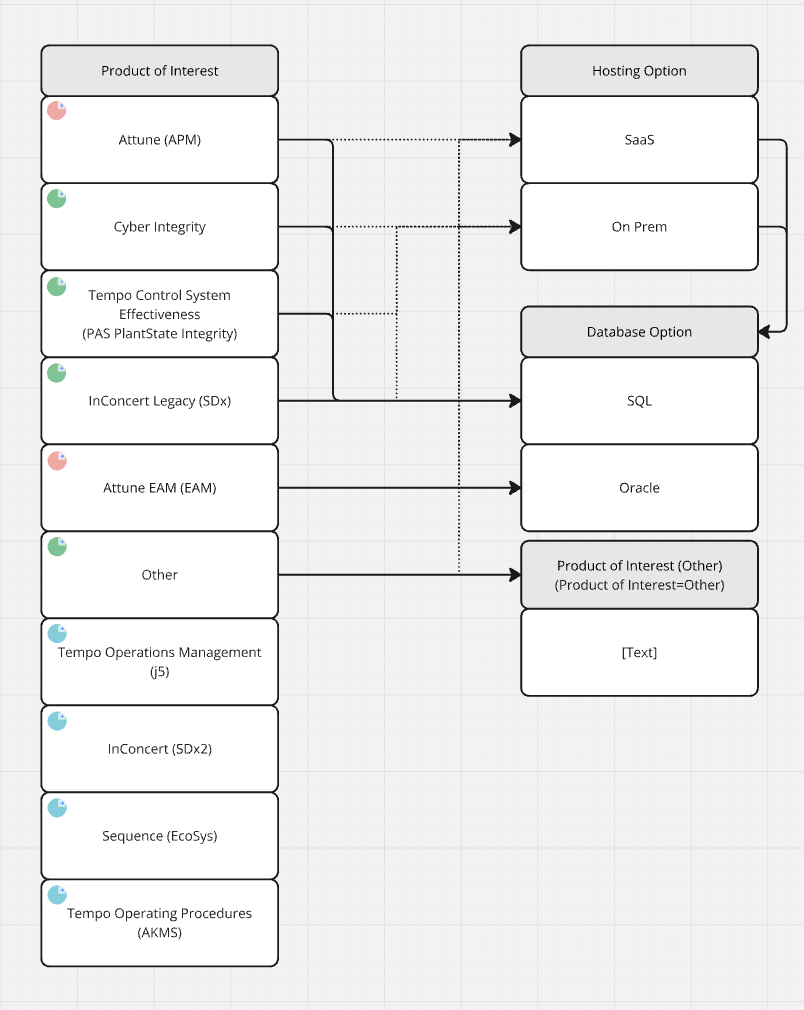
Conditional requirements: Product selection determined which hosting, database, and additional fields were relevant. Each product links to its color-coded section.
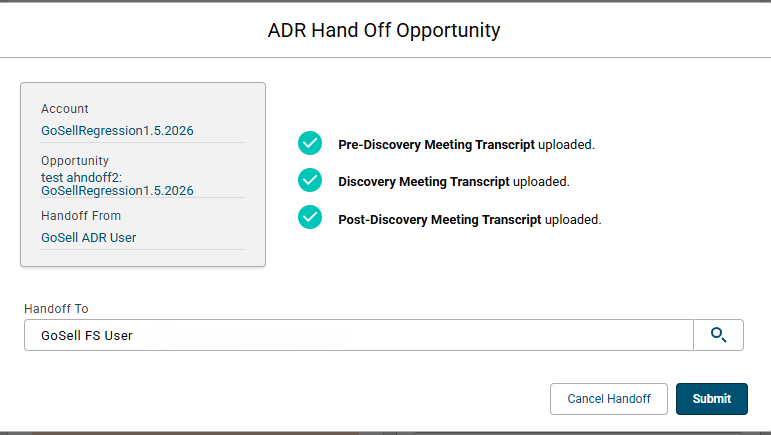
The final page used conditional logic instead of forcing every requester through the same questions. The submission created the Case information that Partner Ops, Channel Operations, or Cloud Provisioning needed to continue the request.
Constraints
Product and environment decisions required authoritative input from product leadership, and stakeholder feedback continued through governance, resulting in additional revisions before release.
Outcome
• One intake experience
• Conditional SaaS/on-prem paths
• Reduced redundant fields
• Structured downstream Case handling
• Conditional SaaS/on-prem paths
• Reduced redundant fields
• Structured downstream Case handling
The result replaced fragmented intake paths with a more consistent and maintainable Partner Demo Environment request workflow.